Phase 2: External decorations to south elevation.
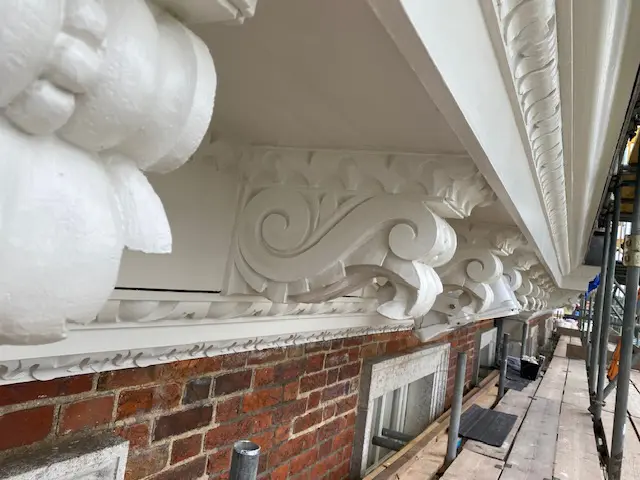
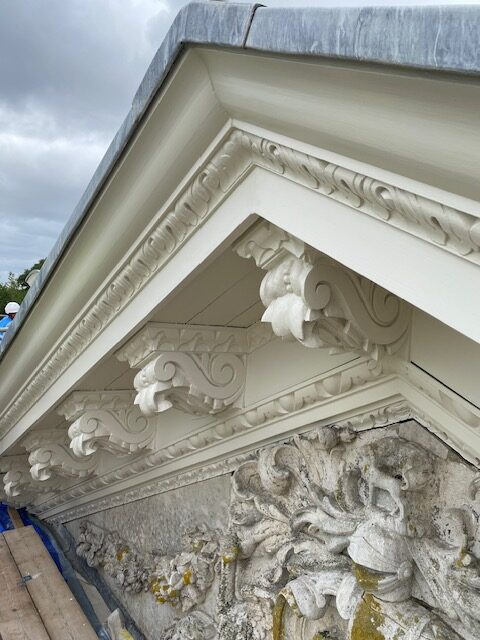
Carrying on from Phase 1, Greendale Construction is continuing its work at Uppark House and Gardens, South Harting, Petersfield, West Sussex by carrying out external decorations to the south elevation.
The works will make a huge improvement to the weathering of the exposed south elevation, and the look of the mansion as a whole. Greendale is using traditional Burnt Sand Mastic on the perimeters of the large sash windows – all of which have had major timber scarfing in works or complete replacement sashes. New glazing and putty works have been carried out. The original lead paint has been carefully removed and a five coat Tikkurila paint system applied. Greendale has also repointed the main east side chimney with lime mortar in this phase.
Phase 2 of Uppark House will complete by the end of October 2025.
Burnt Sand Mastic in historic buildings
Burnt Sand Mastic is a traditional compound for forming joints between timber windows, door frames, render or masonry, creating a durable, flexible, and waterproof seal. The mastic is made by mixing burnt sand with double boiled linseed oil and a rosin hardener, creating a waterproof and slightly flexible seal.
The burnt sand mastic adheres well to most surfaces and has been used for over 200 years in building construction and renovation. Traditionally prepared by roasting fine silver sand with linseed oil which has been double boiled with rosin driers added, Burnt Sand Mastic is designed to harden slowly but remain flexible, and is ideal for the restoration and conservation of older and historic buildings where modern chemical mastics would be unsuitable.
Benefits of Burnt Sand Mastic
- Durability It forms a long-lasting seal that can withstand the test of time, reducing the need for frequent maintenance.
- Flexibility The mastic remains slightly flexible even after setting, which helps accommodate minor movements in the building structure and prevents cracking.
- Waterproofing It provides an effective barrier against water ingress, protecting the building from damp and related issues.
- Aesthetic Compatibility Burnt sand mastic blends well with traditional building materials, maintaining the historic and aesthetic integrity of the structure.
- Ease of Use The mixing and application process is straightforward, making it accessible for both professionals and DIY enthusiasts.
- Environmental Friendliness Made from natural materials like sand and linseed oil, it is a more eco-friendly option compared to synthetic sealants
Greendale Construction’s phased works to Uppark House
Work started on phase one; essential repairs and upgrades to Uppark House and Gardens in August 2024. During these works, the Grade 1 listed, 17th century National Trust property benefitted from new electrical systems, new fire alarm installations, fire protection works, a new water treatment plant, and two new Biomass boilers.
Uppark House: A brief history.
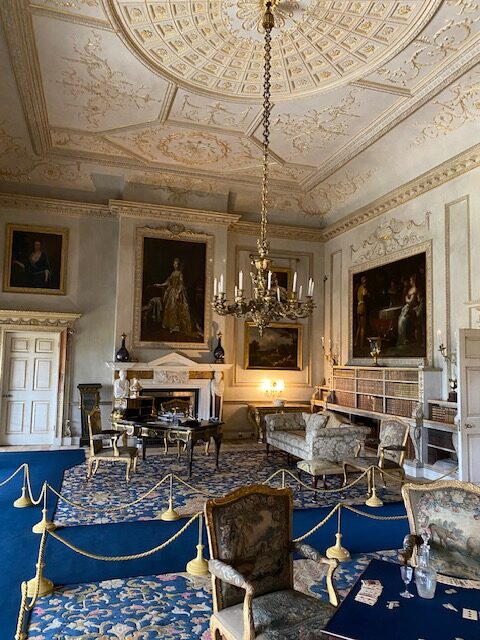
Built in 1690 by Ford Grey, the Earl of Tankerville, Uppark House was a project to demonstrate the Earl’s wealth and his political allegiances. Ford commissioned the building in the fashionable Anglo-Dutch style, favouring symmetry and simplicity as key attributes in the architecture, together with redbrick and stone dressings; an important stylistic choice which reinforced Grey’s political leanings. Having undergone various decorative and architectural alterations over its 400 years, the Uppark House of today owes much to Sir Matthew and Lady Sarah Fetherstonhaugh who are responsible for its fine Georgian interiors and most if its Grand Tour art collection. Having bought Uppark for £19,000 (around £4 million today) in 1747 from Charles Tankerville, Ford Grey’s grandson, Fetherstonhaugh commissioned an extensive remodelling of the interior with architect James Paine. Later, the house was extended and altered by Humphry Repton. Uppark House was acquired by the National Trust 1954.
Rob Hooker, Director, Greendale Construction Limited, commented: “It is a real privilege to work on this National Trust Uppark Project. With the essential repairs phase completed, and this subsequent external decoration phase proceeding well, our client, the building fabric, artefacts, and the visitors will all benefit from the works Greendale Construction has carried out. We have enjoyed working with architects, Rodney Melville and Partners again, and the whole National Trust team on this heritage project.”